The menu system for restaurants.
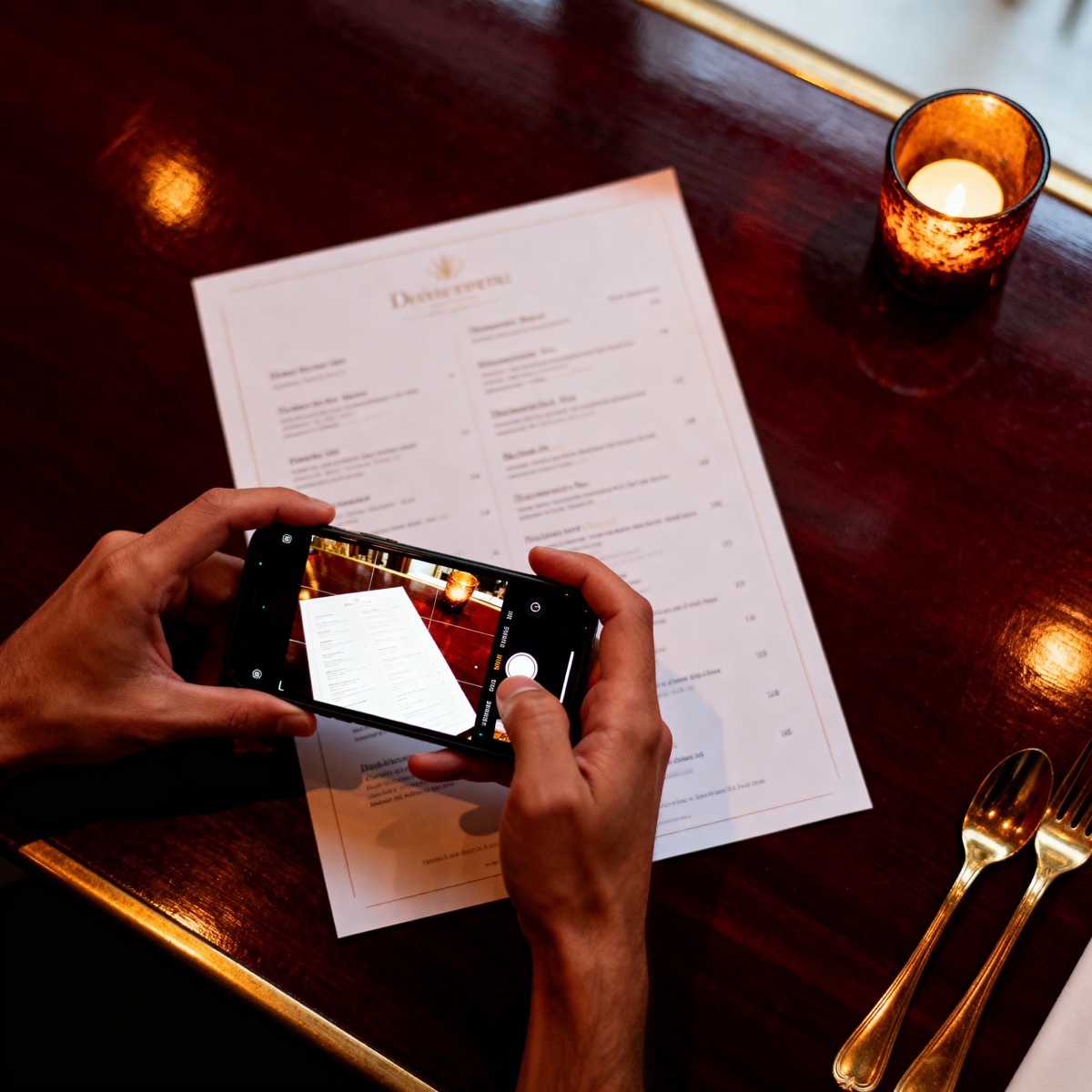
Photograph the menu you already print. Platter reads it, sets it properly, and puts it behind a QR code you never have to reprint. Change a price from the floor and every table sees it.
Set up in
one evening.
No integration, no POS, no training. Three steps, and the longest one is waiting for the reader.
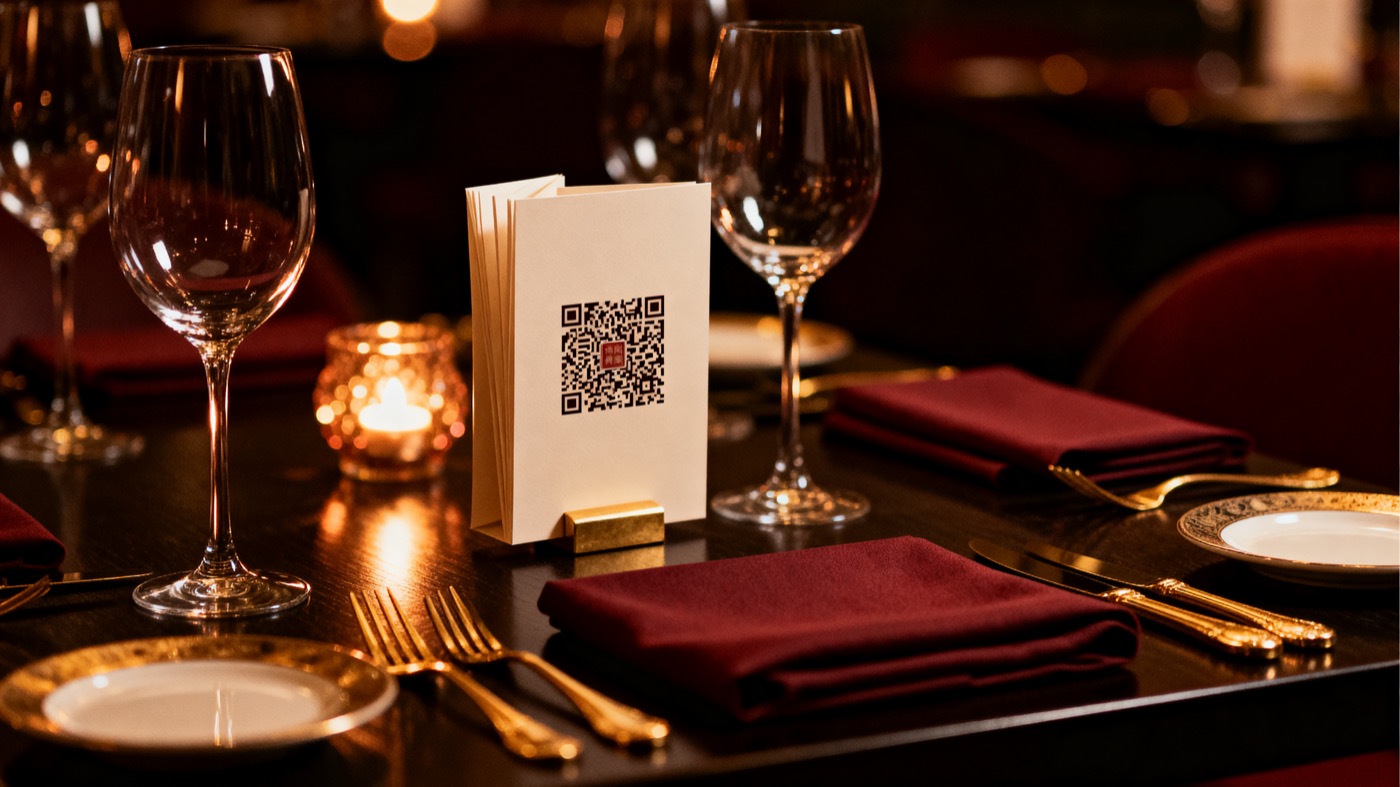
Built for a service, not a spreadsheet.
Photograph the sheet. The reader pulls out dishes, sections and prices, keeps the order you wrote them in, and hands back a draft, flagging every line it wasn't sure of.
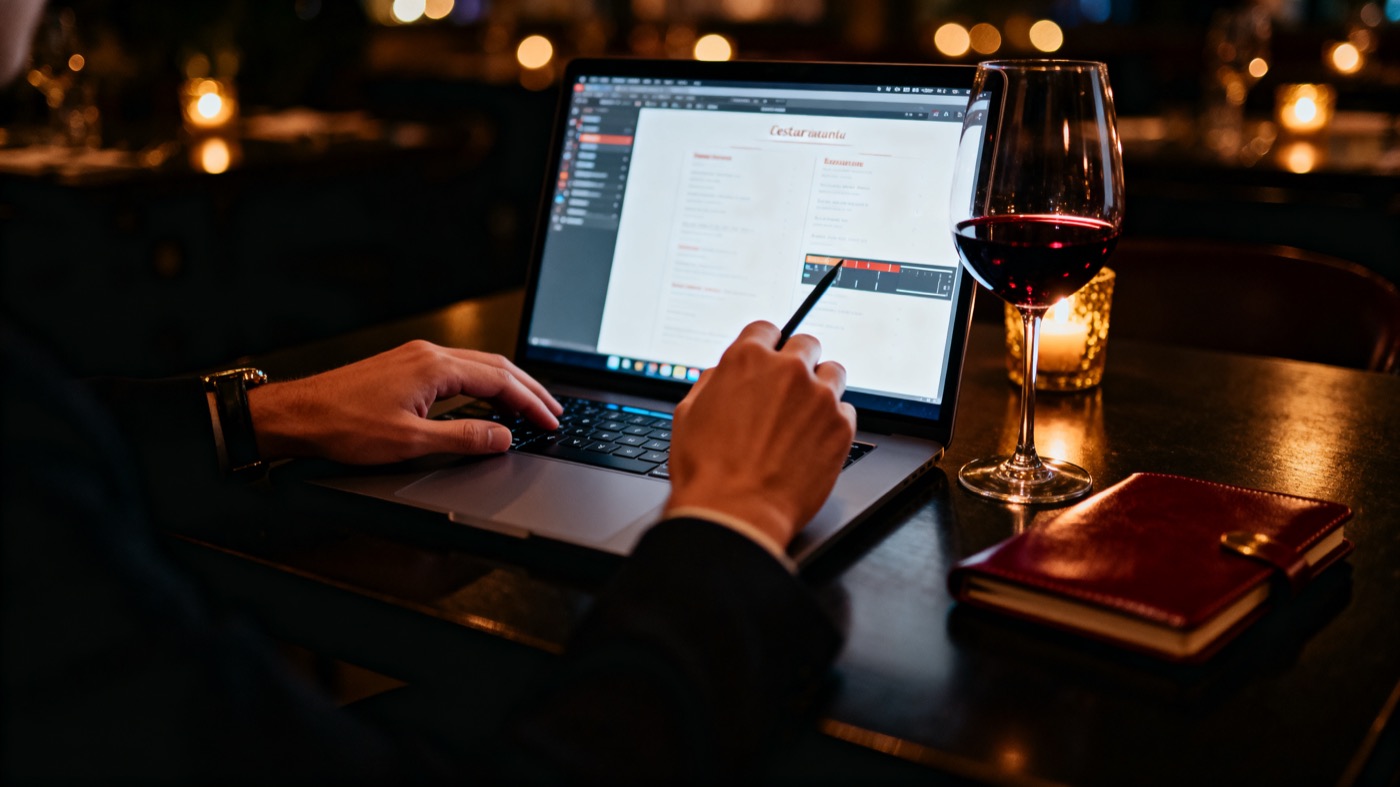
The code encodes a link, never menu content. Raise a price, hide a dish, switch the whole theme. Every tent already standing on a table keeps working.
The paper menu regenerates from the same dishes, so the wall can never disagree with the screen.
Mark a dish and it takes the seal, then rises into the popular shelf at the top of the menu.
Vegetarian, vegan, pork, seafood, gluten-free, plus an allergen list on every dish card.
Set your own, and optionally show an approximate second price beneath it for visitors.
Staff flip sold-out and nothing else. Managers edit and publish. You keep billing.
A concierge panel on the menu answers what is mild, what is popular, and what sits under a price.
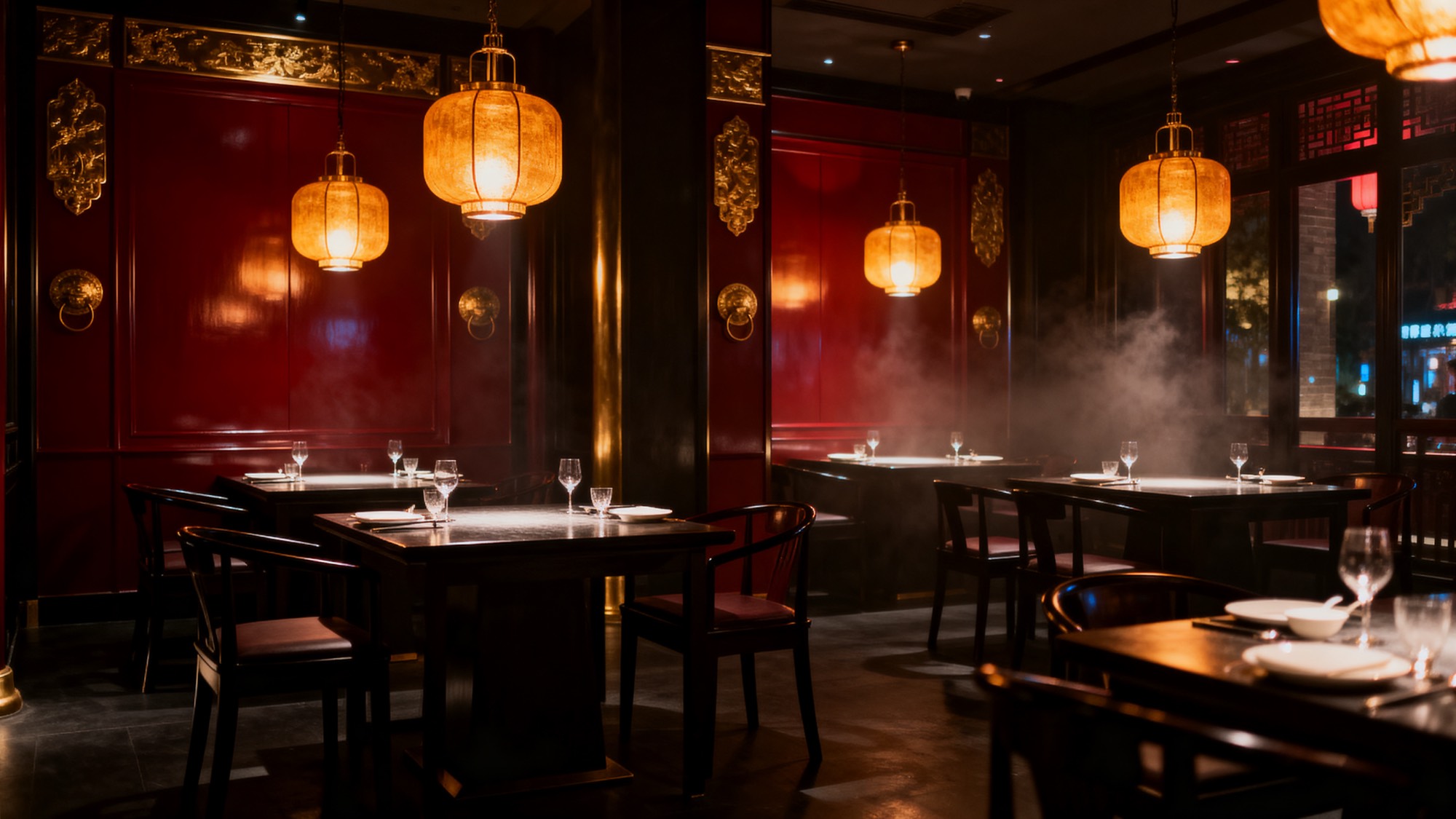
Find out what they searched for and couldn’t find.
Platter counts taps, not orders, so it never pretends to be revenue. What it does tell you is which dishes get opened, which never do, and what diners typed that returned nothing.
Each one is either a dish to add, or a name to change. Jollof is on this menu, filed under Nigerian Dishes, where nobody looked.
Priced like
a menu.
The right-hand column is the entire pricing page. Most of it is free, and stays free.
Dishes, sections and prices, set to be read on a phone across a dark table.
Photograph the paper. It comes back editable, and stays a draft until you publish.
One per menu or one per table, exported as PNG, SVG or a print-ready sheet.
Regenerated from the same menu, so the paper can never disagree with the screen.
Mark a dish gone from the floor. It sinks, dims, and returns at 04:00.
What diners opened, what they searched for and didn't find, and when they look.
Dinner, bar, breakfast, Christmas. Each with its own theme and its own code.
Lacquer, Carafe, Counter, Palm, previewed against your real dishes.
Point your address at the menu. No Platter mark anywhere on it.
Managers edit, staff flip sold-out, you approve. Revoke when they leave.
Before
you ask.